
“The smart home, in pursuing perfection, reproduces a sort of delay by robbing the wholeness of experience of it actual attainment. It edits the world and makes it perfect as we experience it so that we may be given the impression that the world is indeed perfect” – A Small World: smart houses and the dream of the perfect day by Davin Heckman
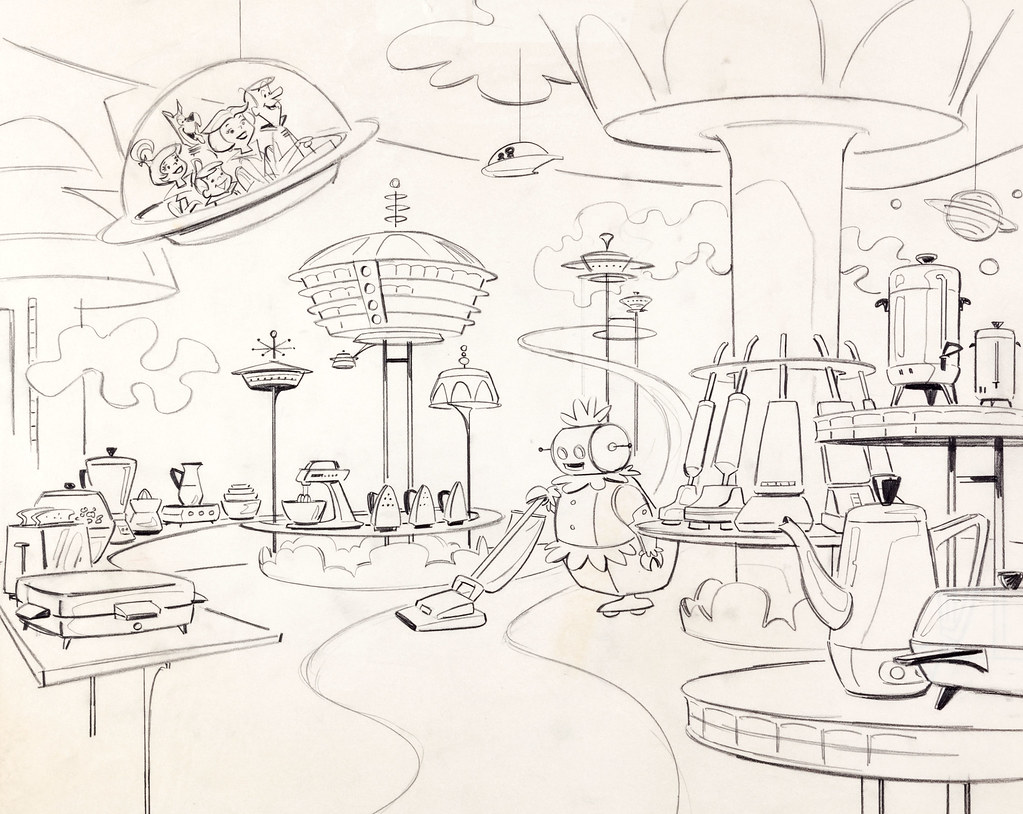
Smart homes have been a recurring theme in science fiction books, movies, television shows, and popular media. The portrayal of smart homes in science fiction highlights the genre’s unique ability to both predict and critique future technological trends. The recurring theme of smart homes in these narratives often presents an aspirational view of domestic life. An example is the animated series “The Jetsons”, which envisions a future of homes replete with conveniences like robot maids and moving sidewalks. In this series, most activities in the home are catered by some form of tech solution. However, the technology of this future seems to constantly break. Why is that?
Smart homes, as a concept, resonate beyond science fiction and have philosophical, sociological, and ethical implications. Numerous thinkers have explored the relationship that we humans hold with technology. The concept of the home, as both a physical and symbolic space, has been central to these considerations.
John Dewey, one of the 20th century’s influential thinkers, saw technology not just as tools but as instruments enhancing human experiences. For Dewey, technology is an extension of human creativity and intelligence. He sees it as a way to solve problems and as a means to an end. His philosophy can be extrapolated to the evolution of homes as not just shelters, but spaces of enhanced living, facilitated by integrated technologies. Dewey emphasized the need to integrate human values into new technology development to avoid harm to humanity and the environment.
German philosopher Martin Heidegger, in his essay “The Question Concerning Technology,” furthered this conversation. He didn’t merely think of technology as tools but pondered on their essence. His idea of “enframing,” speaks about how modern home technologies could risk turning domestic life into a mere ‘resource’ to be optimized, rather than lived. For Heidegger, modern technology wasn’t just tools or machines. It’s a way of understanding and relating to the world. It’s not only that we use technology, but technology also shapes our worldview.

Smart homes, in this light, are not just brick and mortar with embedded tech, but lived spaces where technology actively mediates our daily experiences. Home technology isn’t just a collection of tools that humans use – they shape our relationships with our homes, influencing our perceptions, actions, and understanding.
Albert Borgmann, a German-born American philosopher specializing in the philosophy of technology, brought criticality into this discourse. Borgmann introduced the idea of the “device paradigm,” which is a conceptual framework that explains how technology mediates our conception and interaction with the world, where modern technologies become invisible or unobtrusive, delivering commodities without demanding our attention or engagement. A key idea is the transformation of “things” into “commodities”, where the rich context, history, and uniqueness of things are lost when they are made effortlessly consumable. He argues that while technology has brought many conveniences, it also has the potential to distance us from genuine human experiences.
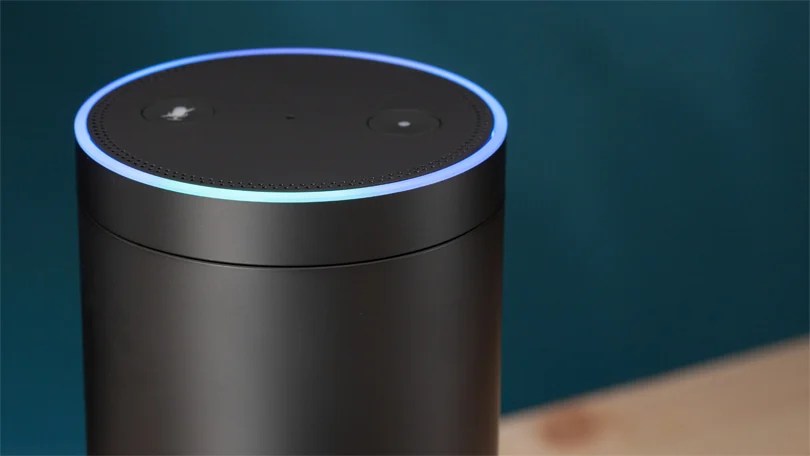
While our homes remain central to our well-being, the dynamics of how we relate to and within them are changing. The blending of our online and offline lives, and the significance of sensory interactions with the technology in our homes all contribute to a more complex, multifaceted understanding of home. Our relationship with technology in our domestic spaces is defining how we spend a large part of our lives and interact with our families and with society.
Do technologically mediated experiences shapes our very being? In philosophy as in science fiction, there are fundamental attitudes towards technology. Some have a more optimistic view, seeing technology as a means to promote growth, learning, and problem-solving. On the other hand, other philosophers offer a critical perspective on technology and show concern that modern technologies can alienate us from genuine, enriching experiences and from the world itself.
With these philosophical and science fiction references I invite you to reflect on the need for balance between convenience and depth, immediacy and lasting fulfilment. While home technology can indeed provide us with immediate solutions, it can also lead to a shallow life at home if not balanced with deeper, unfiltered experiences of life, with all its imperfections and surprises.

Smart homes are more than an aggregation of devices and systems. They are a reflection of our values and our vision for the future of living. They carry with them centuries of philosophical thought, constantly urging us to remember the ‘human’ in the ‘home’ ensuring that as our habitats grow smarter, they also grow kinder, more compassionate, and deeply grounded in fundamental human values and the essential needs that define our humanity.
So long and thanks for all the fish!
 tracing